Read More
Skincare

Facial Steam Tutorial: Reset Your Skin & Mind with Lavender

Feeling overwhelmed or stretched thin? You’re not alone.
Life can pull us in a dozen directions, leaving little time for self-care. But even a simple ritual can help reset your emotional wellbeing—and your skin.

A Simple At-Home Ritual with Lavender Bath Salts

Whether you have a bath or not, this calming lavender steam treatment is a beautiful way to reconnect with yourself and support your skin naturally.

What You’ll Need:

If You Have a Bath:

Run a warm bath and sprinkle in your lavender bath salts. Swirl gently to release the essential oils. Soak for 20 minutes with calming music, focusing on slow, deep breathing.

Lavender helps to relax both the mind and body, easing tension and encouraging emotional balance.

No Bath? No Problem.

Create a relaxing lavender facial steam instead:

  1. Fill a large bowl with warm water.
  2. Add 1–2 tablespoons of Pure Source Lavender Bath Salts.
  3. Drape a towel over your head and lean over the bowl to trap the steam.
  4. Close your eyes and take deep, meditative breaths for 5–10 minutes.

The warm steam opens pores, enhances circulation, and allows the natural properties of lavender to soothe your nervous system—without any sedative effects.

Bonus: Foot or Hand Soak

Once your steam is complete, reuse the water as a relaxing foot soak or hand soak—a grounding way to finish your ritual.


Lavender for Skin & Emotional Wellbeing
Lavender is renowned for its calming properties. It supports skin health, promotes relaxation, and encourages emotional clarity. That’s why we use it in our bestselling Pure Source Lavender Bath Salts.


Take this as your reminder: You don’t need a reason to rest.
You have permission to pause and breathe—whenever you need to.

Photo by Iain Robertson on Unsplash

We love making new friends.
To be kept in the loop for promotions, new releases and tutorials like this one, join our mailing list.

Pure Source, Skincare, Uncategorized

Kawakawa: The Heart-Shaped Plant with Big Skincare Benefits from Aotearoa, New Zealand

Could you spot a Kawakawa plant in the wild?

With its distinctive heart-shaped, glossy green leaves, kawakawa is one of Aotearoa’s most recognisable native plants. You’ll often find it thriving in the shade of larger trees, nestled near waterways or forest paths throughout New Zealand.

But kawakawa is far more than just a pretty leaf. This humble shrub is packed with goodness — and it’s been an important part of Māori medicine and culture for generations.

Kawakawa: Nature’s Remedy

Kawakawa is an edible plant, often used like a herb and it’s strong flavour is lovely in a cup of tea. However, that strong taste hints at its powerful natural properties. Traditionally, kawakawa leaves have been chewed to help soothe toothaches — thanks to their natural numbing effect.

In Rongoā Māori (traditional Māori medicine), kawakawa has long been used to ease digestive discomfort, support skin healing, and calm inflammation. Today, it remains a popular choice in balms and skincare, offering a gentle, natural way to support skin health and soothe irritation.

What Makes Kawakawa So Special?

Modern science supports what Māori healers have known for centuries. Kawakawa contains myristicin, a natural compound known for its antiseptic and numbing properties. It’s also thought to have anti-inflammatory benefits, which is why kawakawa leaves can be added to bathwater to help ease tired, aching muscles and joints.

More Than Medicine: The Deeper Meaning of Kawakawa

For Māori, kawakawa is more than just a healing plant — it holds deep cultural and spiritual significance. You may see kawakawa branches placed on a marae as a sign of mourning (aituā), symbolising grief and respect. Yet, these same heart-shaped leaves also represent courage, strength, and resilience in te ao Māori (the Māori worldview).

A Fun Way to Engage Tamariki with Nature

Kawakawa is also the perfect plant to spark curiosity in tamariki (children) on nature walks. Its distinctive heart-shaped leaves make it an easy and rewarding plant for little ones to spot. Next time you’re out exploring, turn it into a game of I Spy or a scavenger hunt — encouraging tamariki to connect with nature while learning about this special native plant. It’s a simple, joyful way to teach them about Aotearoa’s natural treasures.

Why Kawakawa Belongs on Your NZ Bucket List

Whether you’re walking through a lush forest, soaking in a bath, or enjoying skincare made with love from Rotorua, kawakawa is a reminder of the deep connection between nature, wellness, and culture in Aotearoa.

Next time you spot those glossy heart-shaped leaves, take a moment — you’ve found one of New Zealand’s true green treasures.

Pure Source, Skincare

The benefits of Kiwifruit in Skincare

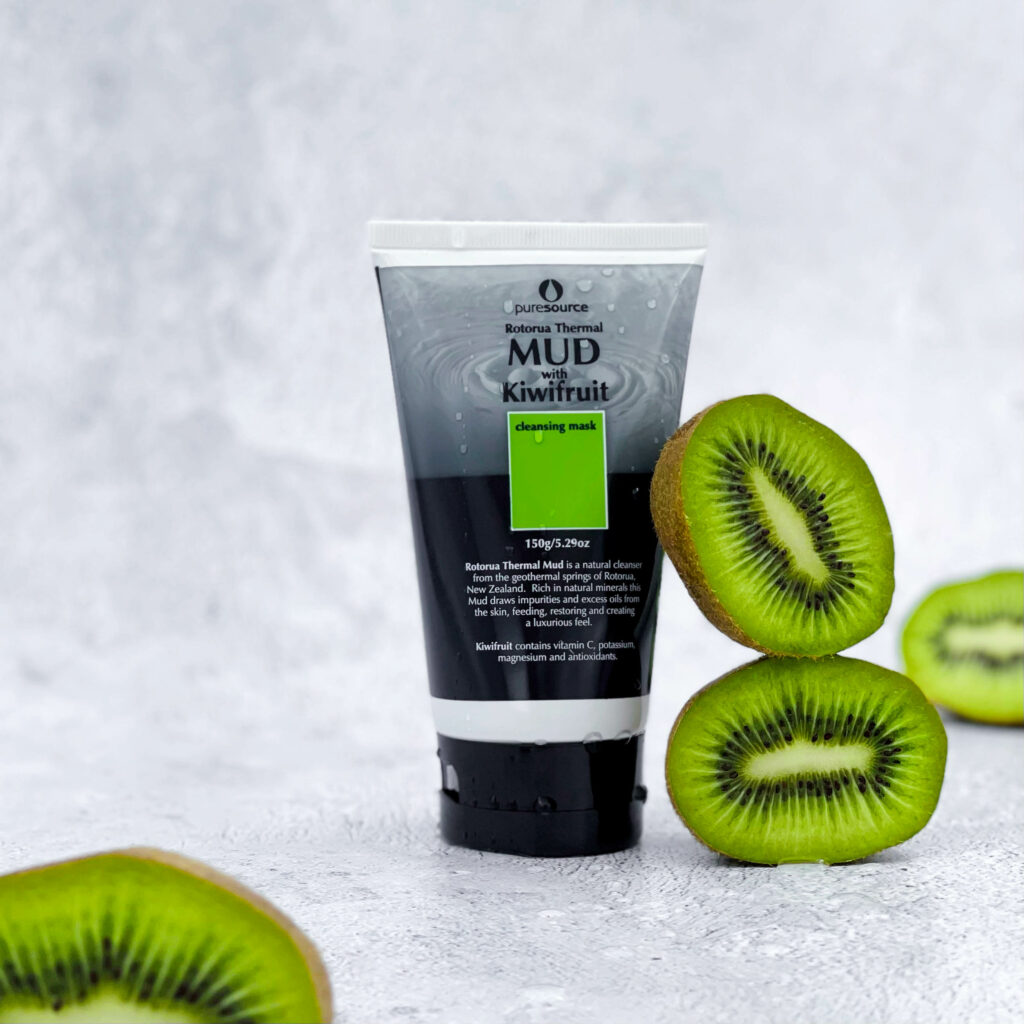
Why did we combine kiwifruit with our mud masks?

Here’s a hint: it has very little to do with kiwifruit being a New Zealand icon (although we do love a good icon moment from time to time).

The real reason? Like you, we care about what we put on our skin, and kiwifruit just happens to be bursting with nutrients your skin will thank you for. If you’ve ever had a well-meaning, slightly overbearing grandmother insist you eat more kiwifruit because it’s good for you, she was absolutely right. Turns out, it’s just as good for your face as it is for your breakfast.

Kiwifruit is rich in vitamins A, C, and E — all heavy-hitters when it comes to skin health:

– Vitamin C supports collagen production, helping to keep skin elastic and firm.
Vitamin A encourages natural hydration, giving your complexion that healthy, moisturised glow.
Vitamin E is packed with antioxidants to protect and nourish your skin from the outside in.

Put simply: kiwifruit is a skincare superhero.
Paired with our mineral-rich Rotorua mud and you’ve got a recipe for radiant, healthy-looking skin.

And no, we’re not about gatekeeping good skin; that’s why we bottled it for you.

Read More
Uncategorized

The Noteworthy New Zealand Native: The Mānuka Plant

A humble native plant from New Zealand has transformed the global honey industry — the Mānuka plant(Leptospermum scoparium). Known for producing the world-famous Mānuka honey, this small but mighty shrub is found only in New Zealand’s pristine landscapes — including the geothermal region of Rotorua, where our team at Pure Source create our skincare.

The Short, Sweet Season of Mānuka

Mānuka plants bloom for only a short season, typically from September to March — and often for just a few weeks. Bees must work quickly to collect nectar during this small window, and even then, the flowers won’t release their nectar if the weather is too cold. It’s a wonder we get any Mānuka honey at all, making it one of the world’s most precious and sought-after honeys.


Mānuka vs. Kānuka — Spotting the Difference

Mānuka has a close cousin, Kānuka, which is also native to New Zealand. The two are often mistaken for each other, but there are some telltale differences:

  • Height: Mānuka grows to about 6–8 metres, while Kānuka can reach 13–15 metres.
  • Leaves: Mānuka leaves are short, rounded, and prickly; Kānuka’s are longer and softer.
  • Flowers: Mānuka blooms are larger, although both are equally beautiful.

All genuine Mānuka honey undergoes rigorous laboratory testing to confirm authenticity and grade — ensuring consumers receive pure, high-quality honey.


More Than Just Honey

Despite its relatively short lifespan (up to 60 years), Mānuka is a powerhouse plant. It thrives where many natives struggle — including in swampy or erosion-prone areas — and is excellent for weed and pest control.

Beyond honey, Mānuka offers:

  • Mānuka oil — valued in natural health and skincare for its antibacterial properties.
  • Mānuka wood — prized for smoking fish, imparting a unique flavour.
  • Tea from leaves — traditionally brewed for its soothing qualities.
  • A natural treat for native birds like the Kākāriki, who chew the leaves before preening.

From Nature to Skincare — Made in Rotorua

At Pure Source, we harness the remarkable benefits of Mānuka honey in our Rotorua-made skincare. Mānuka honey is naturally hydrating, antibacterial, and rich in antioxidants — making it ideal for all skin types and daily use.

Many of our formulations also blend Mānuka honey with Rotorua geothermal mud, combining the deep-cleansing and mineral-rich properties of the mud with the nourishing qualities of the honey. This powerful pairing helps cleanse, soften, and revitalise skin — naturally.


Mānuka is more than a plant — it’s a gift from New Zealand’s land to your skin.
Experience the Pure Source difference and let nature do the work.

Uncategorized

How is Rotorua’s Famous Thermal Mud Formed?

Here in Rotorua, New Zealand, bubbling mud pools are part of daily life; a spectacular reminder that our city sits in the heart of a geothermal wonderland. At Pure Source, we use this natural treasure in our skincare and beauty products, but have you ever wondered how this “magic of the earth” is actually formed?

From Volcano to Skincare — The Science Behind Thermal Mud

Thermal mud begins deep underground in high-temperature geothermal areas, often near volcanoes (active or long dormant). Steam and mineral-rich gases rise up from the earth and enter rainwater ponds. These gases, often slightly acidic, break down surrounding rock into fine clay. This clay blends with the hot water, creating a thick, mineral-rich slurry; what we know as thermal mud.

In Rotorua’s geothermal fields, you’ll notice that the mud is constantly bubbling and popping. This is thanks to hydrogen sulphide gas; the same gas that gives Rotorua its famous “rotten egg” aroma. While the smell might be memorable, it’s also a sign of the mineral-rich environment that makes Rotorua thermal mud so special for the skin.

How Weather Changes Mud Pools

  • Dry weather: The mud thickens, forming sticky, paste-like textures with small “mini volcano” mounds.
  • Rainy days: The mud becomes more fluid, looking almost like boiling hot chocolate (though we definitely don’t recommend tasting it!).

Fun Fact:

Some mud pools in Rotorua have been bubbling for hundreds — even thousands — of years, fed by underground heat from the Taupō Volcanic Zone.

Why Rotorua Thermal Mud is a Skincare Superhero

Not all thermal mud is the same. The exact blend of minerals and trace elements depends on where it’s found — from New Zealand to Hawaii, Italy, or Japan, each volcanic region creates a unique mineral profile.

Rotorua Thermal Mud is rich in silica, magnesium, calcium, sulphur, potassium, and other natural minerals. These work together to:

  • Deep cleanse by drawing out oils, dirt, and impurities
  • Detoxify the skin naturally
  • Nourish with replenishing minerals
  • Relax both skin and senses

That’s why at Pure Source, we celebrate this ingredient in our masks, skincare, and scrubs — giving your skin a taste of Rotorua’s natural spa therapy, wherever you are in the world.

Our tip: Your skin loves a little dirt — especially when it’s mineral-rich Rotorua mud.

Read More
Uncategorized

The Healing Tradition of Balneotherapy in Rotorua; From Ancient Baths to Pure Source Skincare

In the heart of Rotorua, New Zealand’s most famous spa town, the tradition of bathing in mineral-rich waters is as alive today as it was over a century ago. Known as balneotherapy — the therapeutic use of mineral water for health and wellness — this practice combines ancient wisdom with modern relaxation.

Image by Sébastien Goldberg

Rotorua: A Spa Town with Global Roots

People have been travelling to Rotorua for more than 100 years to “take the waters,” seeking both the healing benefits and the soothing comfort of our natural thermal springs. The inspiration comes from centuries-old traditions across the globe — from Cleopatra bathing in the mineral-rich Dead Sea to grand European spa resorts in Belgium, Germany, and France.


A Rich History of Mineral Bathing

Balneotherapy has been studied for thousands of years. As far back as the 5th century BC, sulphurous springs were investigated for their potential to heal skin conditions, ease joint pain, and soothe muscle tension. By the 1500s, researchers were analysing the mineral content of different springs to understand how specific minerals could support health.

In the 19th century, spa culture flourished. European spa towns like Spa in Belgium became glamorous destinations for rest, socialising, and rejuvenation. Treatments expanded to include hot and cold baths, herbal infusions, mud packs, massages, and more — many inspired by the work of Dr Sebastian Kneipp, a pioneer in balneotherapy whose bath salts are still sold worldwide.


Rotorua’s Famous Springs

Rotorua’s own Rachel Spring and Priest Spring carry their own reputations for therapeutic benefits.

  • Rachel Spring — Alkaline water, prized for its soothing and skin-softening properties.
  • Priest Spring — Mildly acidic water, traditionally used to relieve arthritis, rheumatism, and joint swelling.

Visitors in the late 1800s not only came to bathe but also to marvel at the legendary Pink and White Terraces. Grand buildings, like Rotorua’s Bath House (one of the most photographed heritage buildings in New Zealand), reflected the European spa tradition — combining natural therapies with luxurious surroundings.

Rotorua even had its own government-appointed Balneologist, Dr Arthur Wohlmann, who famously said:

“Spas must not only be places where one can bathe in mineral water, but they must be fitted with the most expensive apparatus of modern balneological methods… with a certain amount of luxury.”


From Mineral Springs to Pure Source Products

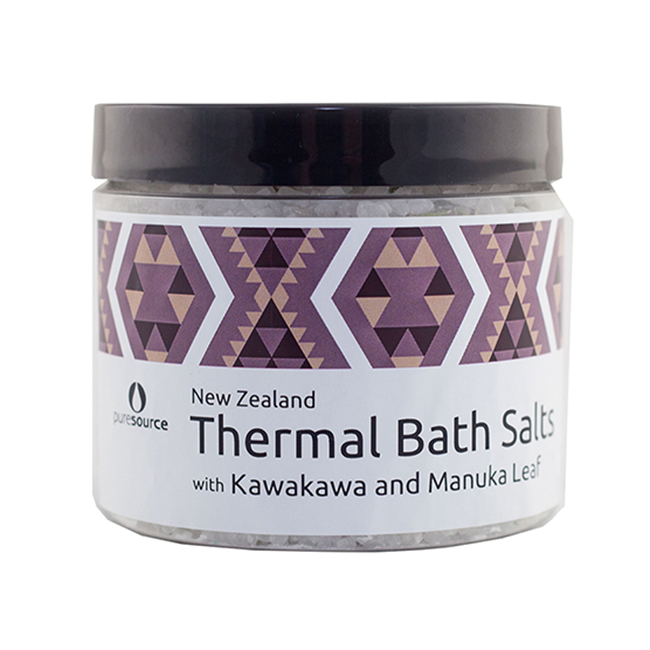
At Pure Source, we draw inspiration from Rotorua’s rich spa heritage. Our Thermal Bath Salts are crafted to reflect the mineral profile of Rachel Spring, allowing you to enjoy the skin-softening, relaxing benefits of Rotorua’s waters in your own home.

Whether you’re seeking relief from sore muscles, a moment of stress-free tranquillity, or simply a touch of New Zealand’s spa culture, bathing in mineral-infused water is a timeless indulgence.

Experience the Pure Source difference; where the legacy of Rotorua’s thermal waters meets modern skincare, all from the comfort of your own home.

Uncategorized

Why your skin loves Manuka Honey

New Zealand’s Manuka Honey is a star ingredient in many skincare products, and rightfully so we believe. It is famous and sought after around the world for its amazing healing abilities.

What is Manuka Honey?

Manuka Honey is a mono-floral honey sourced from the Manuka Tea Tree (Leptospermum Scoparium) which is only found in New Zealand. The Manuka Tea Tree, grows widely around the country and produces small pink and white flowers. Honey bees love to feed on these flowers and produce the popular Manuka Honey.

The Manuka Tree has been valued for its healing properties for centuries by Maori and later European. Modern research show that Manuka Honey contains very strong anti-bacterial and anti-fungal properties that don’t break down over time or when heated. For this reason, Manuka Honey is used in hospitals, especially in wound care. Research has found that Manuka Honey also can help to stimulate the immune system, provide nutrients for cell metabolism, reduce inflammation and support tissue repair.

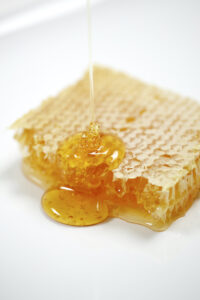
Manuka Honey Comb

Why is Manuka Honey used in skincare?

Manuka Honey not only is full of anti-bacterial properties but contains a range of anti-oxidants, amino acids and minerals, all said to be very powerful in combating a range of skin problems.

But there is more… Manuka Honey is also said to work as a humectant, which is the ability to reduce the loss of  moisture from our skin. It gently  soothes and nourishes the skin and restores its natural glow. There is not much it doesn’t do!

How do we know if we get good honey?

As mentioned earlier, Manuka Honey contains very powerful anti-bacterial compounds, much more than any other honey.

To measure this there are 2 main grading systems used to define the quality of Manuka Honey, assessing its unique properties and components: MG and UMF. The higher the MG or UMF rating the stronger the anti-bacterial power.

Every batch of Manuka Honey is tested and certified for natural MG (Methylglyoxal) content. The MG or UMF number tells you how much MG is in that batch of honey:

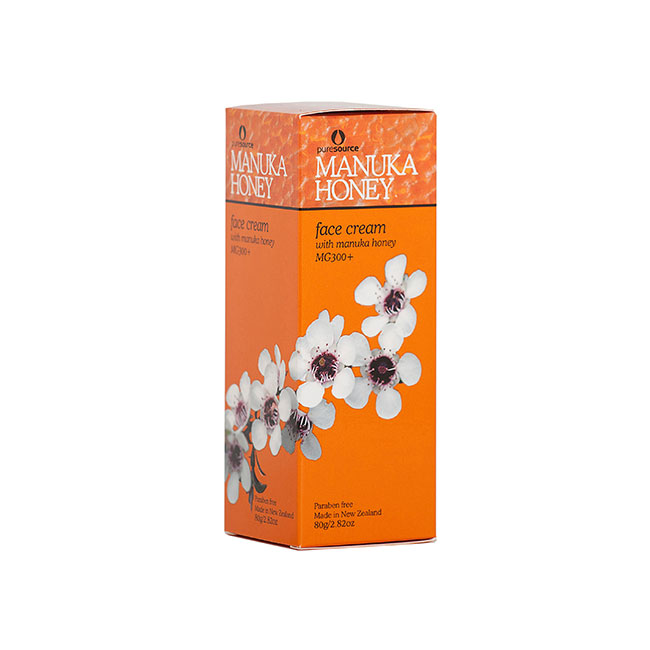
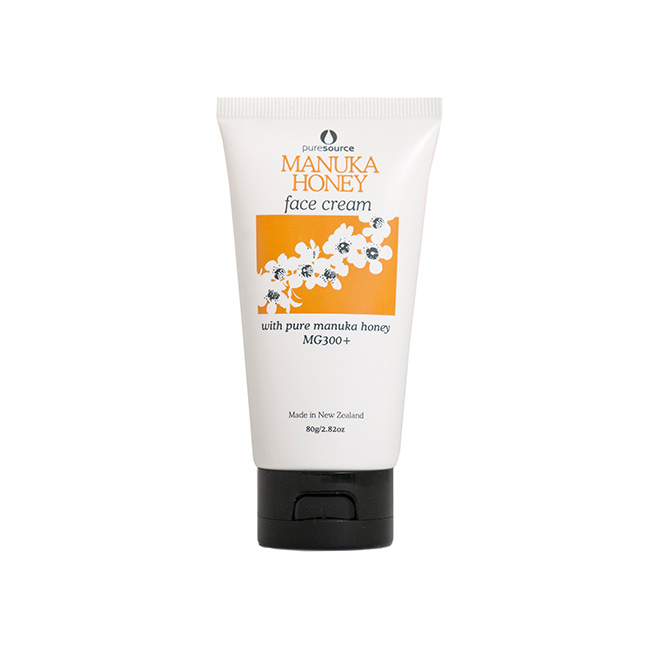
We use a MG300 (UMF12+) grade honey in our Manuka Honey range. We blend it with a light carrier cream, your skin will love it!

Uncategorized

Explaining the difference between our four Rotorua Thermal Mud face masks

One of the most frequent questions we get asked is: ‘ what is the difference between the four different face masks’ so here is a little explanation.

Rotorua Thermal Mud Mask:

A face mask for all skin types. This mask is the mask we base all our others on and is our best seller. It highlights Rotorua Thermal Mud’s ability to deep cleanse the skin and leave the skin with a beautiful healthy glow.

Rotorua Thermal Mud Mask with Manuka Honey:

A face mask for all skin types but in particular suited for drier and more sensitive skin. The added Manuka Honey helps support the Rotorua Thermal Mud’s ability to deeply cleanse the skin while being gentle and soothing. Our key ingredient, New Zealand Manuka Honey, is well known to be soothing and healing and when included in this mask it creates a perfect combination to use on dry and sensitive skin.

Rotorua Thermal Mud Mask with Kiwifruit

A face mask for all skin types but in particular suited for younger and more oily skin. The added Kiwifruit helps support the Rotorua Thermal Mud’s ability to deeply cleanse the skin focusing on problem areas in young skin. Our key ingredient in this mask, New Zealand Green Kiwifruit, is well known to be rich in vitamin C and E and when included in this mask it creates a perfect combination to use on younger and problematic skin.

Rotorua Thermal Mud Mask with Colostrum

A face mask for all skin types but in particular suited for mature and lack lustre skin. The added Colostrum helps support the Rotorua Thermal Mud’s ability to deeply cleanse the skin while looking after our mature skin. Our key ingredient in this mask, Colostrum, is well known to be full of extra nutrients and when included in this mask it creates a perfect combination to use on lack lustre skin.

Use your Rotorua Thermal Mud mask once a week for deep clean, healthy and glowing skin.

Uncategorized

Thermal Mud – ‘Magic of the Earth’

When we talk about mud we all have memories pop up about those crazy wonderful childhood days when we were slipping and sliding and covering ourselves with glorious mud.

Mud is historically believed to deliver magic to our skin and body.  But why?  And is all mud the same?

Firstly, no, all mud is not created equal.  The composition of the mud used in beauty therapies and skincare is built up of a completely different mineral component than the mud we used to play in as kids.

Mud for Therapies:

The mud used by therapists is specially selected for its therapeutic properties and they all differ in their mineral contents, based on where it is sourced from.  Mud from Korea, or from Turkey, has different mineral levels than our Thermal Mud here in Rotorua.  For instance, Rotorua Thermal Mud has a high level of sulphur and silicon.

This therapeutic use of mud is called “pelotherapy” from Pelos, the Greek word for mud.  There is a record that shows that nearly 2,000 years ago mud was already recommended for clear skin, arthritis and rheumatism.

Mud therapies have been popular for thousands of years and Spa’s are still offering body wraps, face masks and mud baths, based around the properties of that specific mud.

Rotorua Thermal Mud:

Our Rotorua Mud stems from its natural, thermal surroundings.  It is unique and only present in a small part of the world where the perfect amount of thermal activity connects with the surrounding native environment.

Thermal Mud is considered to be the magic of the earth’: thermal water from deep within the earth forces itself up, mixes with soil that is filled with native organic matter (and young volcanic soil in our case) and voilà, therapeutic Thermal Mud is born!

Rotorua, with its numerous hot thermal springs, thermal geysers and boiling Thermal Mud has been known for over a century to be THE place for healing and revitalising.  People travelled form all over the world to take to the waters – looking for great skin and relief from aches and pains.

  How does Thermal Mud work:

By applying Thermal Mud onto the skin, it dries and creates an active barrier.  An occlusive system is formed, increasing the skin’s temperature and improving the micro-circulation throughout the body.  The increased blood flow flushes the body’s toxins to the small veins near the surface of the skin.  The mud draws the toxins out the skin and releases its minerals, resulting in healthy, clean, rosy and glowing skin.

We believe Rotorua Thermal Mud to be the ultimate detox; it cleanses, detoxifies and relaxes – true MAGIC!


Pure Source

The History of Face Masking

The wonderful beauty ritual of applying face masks has been celebrated throughout historic times. Strong evidence of face masking and other beauty rituals are found in places like Egypt, Asia and India, amongst many others.

The beautiful Cleopatra (69BC – 30 BC) is still referred to as the queen of masks and skin care, she was known to be forever searching for natural ingredients to maintain her youthful looking skin. She prepared masks to cleanse, nourish and rejuvenate her skin and her favourites were  Dead Sea  mud masks as well as honey and milk baths.

These early beauty treatments were all based on natural resources, often locally sourced, face masks, scrubs and creamy pastes were prepared from what was collected and gathered nearby.

History tells us that in historic times many Egyptians and Indians covered themselves with mud and clay to cleanse their skin and relax their bodies.  These wise people already knew the amazing cleansing and healing properties of mud. They also knew how full this mud was with skin-friendly minerals and trace elements, with natural detoxifying and absorbing qualities.

Asia and in particular ancient China  share  many old stories too  about women and their special beauty routines. Face masking records go right back to the Tang Dynasty (618 – 907), where imperial consorts used ingredients like white jade, pearls and ginseng to brighten and tighten their skin.

Toxic lead facials where very popular in the Victorian times, an era where women where striving for light, almost translucent skin as that was considered the most beautiful at the  time. Toxic lead would be added to honey and olive oil in the hope of a bright and pale complexion.

And Marie Antoinette‘s signature face mask was said to be based on egg whites as she had a fear of large pores.

Masking stood it’s place throughout history and today it is still as much a beauty routine ‘must –do’ as it ever was . And women, right around the world, are still searching for products based on natural ingredients, because, as we all know:

‘nature knows best’